
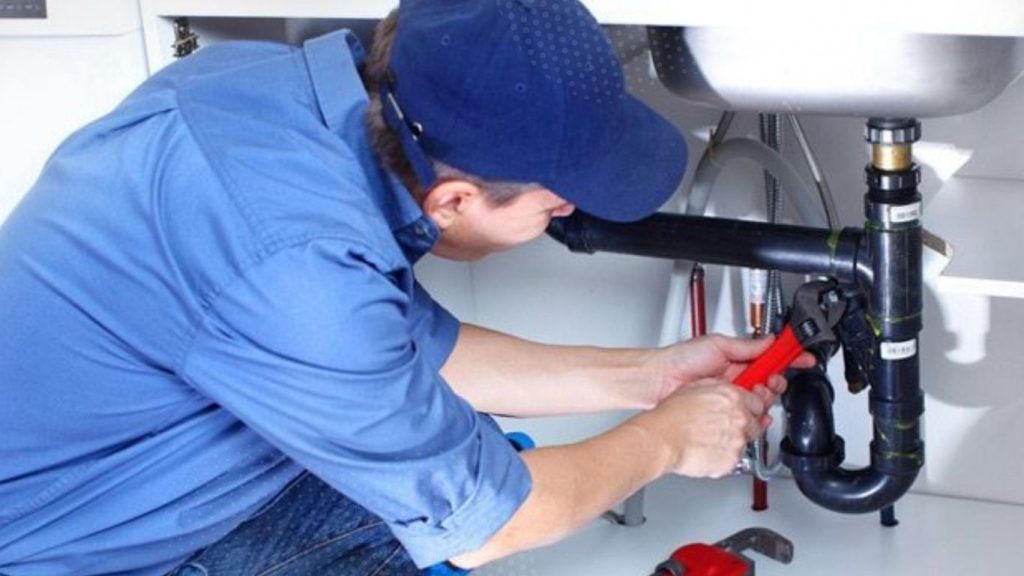
Clogged sinks are one of the most common household problems—and they always seem to happen at the worst possible time. Whether it’s a slow drain or a full-blown blockage, a clogged sink can bring your daily routine to a halt. The good news? Many clogs can be fixed with just a few tools and a little know-how.
At The Handyman Services, we’ve handled hundreds of clogged sinks over the years. Here’s a step-by-step guide to help you fix a clogged sink yourself before calling in a pro.
Table of Contents
How to Fix a Clogged Sink
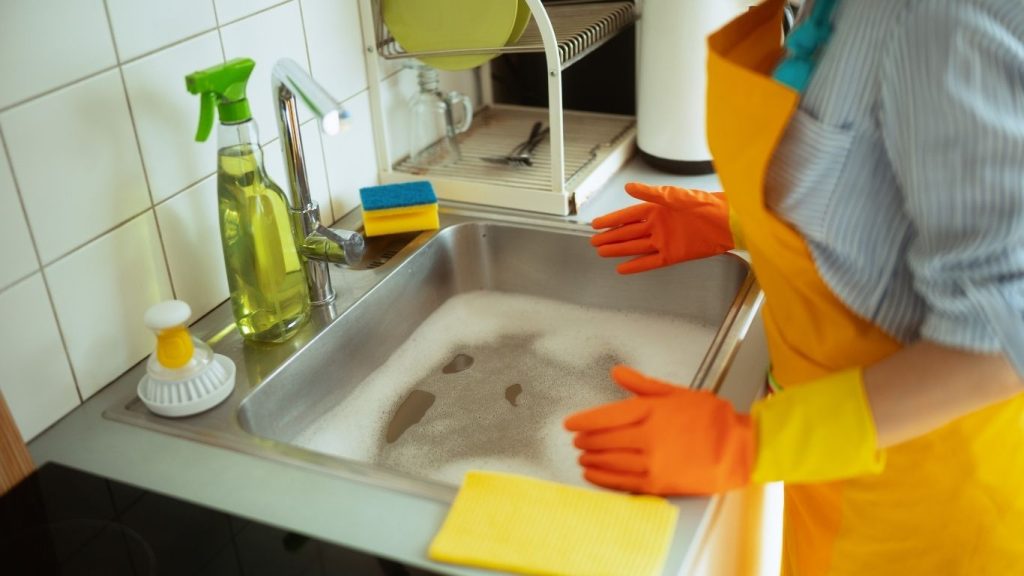
Step 1: Boiling Water (Your First Line of Defense)
Sometimes, the simplest solution is the best. Pouring boiling water down the drain can dissolve soap scum, grease, and other debris.
How to do it:
Boil a full kettle or large pot of water.
Slowly pour the boiling water down the drain in two or three stages.
Wait a few minutes between pours to let the hot water work.
Pro tip: This method works best for metal pipes. Avoid using boiling water on PVC pipes as it may cause damage.
Step 2: Try a Plunger
If boiling water doesn’t do the trick, grab a sink plunger (not the same one you use for the toilet!).
Steps:
Remove any standing water from the sink.
Fill the sink with enough water to cover the plunger’s cup.
Position the plunger over the drain and give it 15–20 firm pumps.
Check if the water starts to drain.
Still clogged? Don’t worry—there’s more you can try.
Step 3: Clean the P-Trap
The P-trap is the U-shaped pipe under the sink. It often collects hair, food, and debris.
What you need:
Bucket
Adjustable wrench or pliers
Rubber gloves
How to do it:
Place the bucket under the P-trap to catch any water or debris.
Use the wrench to loosen the slip nuts on both ends of the trap.
Remove the trap and check for clogs.
Clean it out thoroughly, then reattach it and run water to test the flow.
Step 4: Use a Drain Snake (or Auger)
If the clog is deeper in the pipe system, a drain snake can help.
How to use it:
Insert the snake into the drain and twist the handle clockwise.
Push gently until you feel resistance (that’s the clog).
Keep twisting and pushing to break it up.
Pull out the snake and run water to see if the blockage is gone.
Step 5: Prevent Future Sink Clogs
Once your sink is flowing freely again, a few simple habits can help prevent clogs from forming again. Avoid pouring grease, oil, or coffee grounds down the drain, as these materials can harden or build up inside your pipes over time. Using a sink strainer to catch food scraps and hair is an easy, low-cost way to stop debris before it even enters the drain. You can also flush your drain once a week with hot water and a small amount of dish soap to help break down residue and keep things moving smoothly.
When to Call a Professional
If you’ve tried all the above steps and your sink is still clogged—or if you notice foul smells, frequent backups, or multiple drains acting up—it’s time to call in the pros.
Need Help with a Stubborn Clog?
Let our team of trusted professionals get your sink back in working order. Call 647-724-4566 or book online—we’re here to help!